DONATE MONTHLY · 200 FOR MOTHERLAND

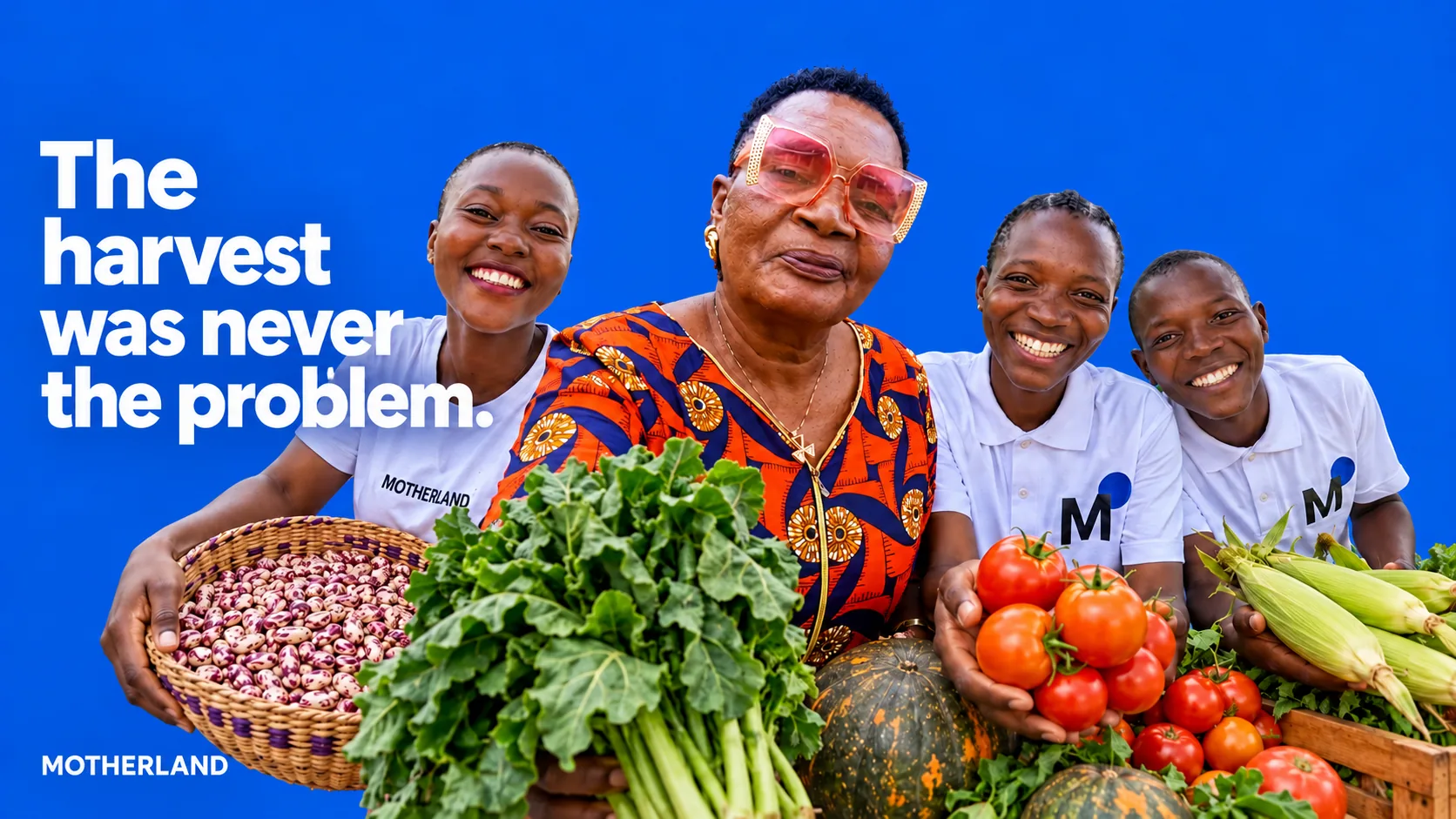
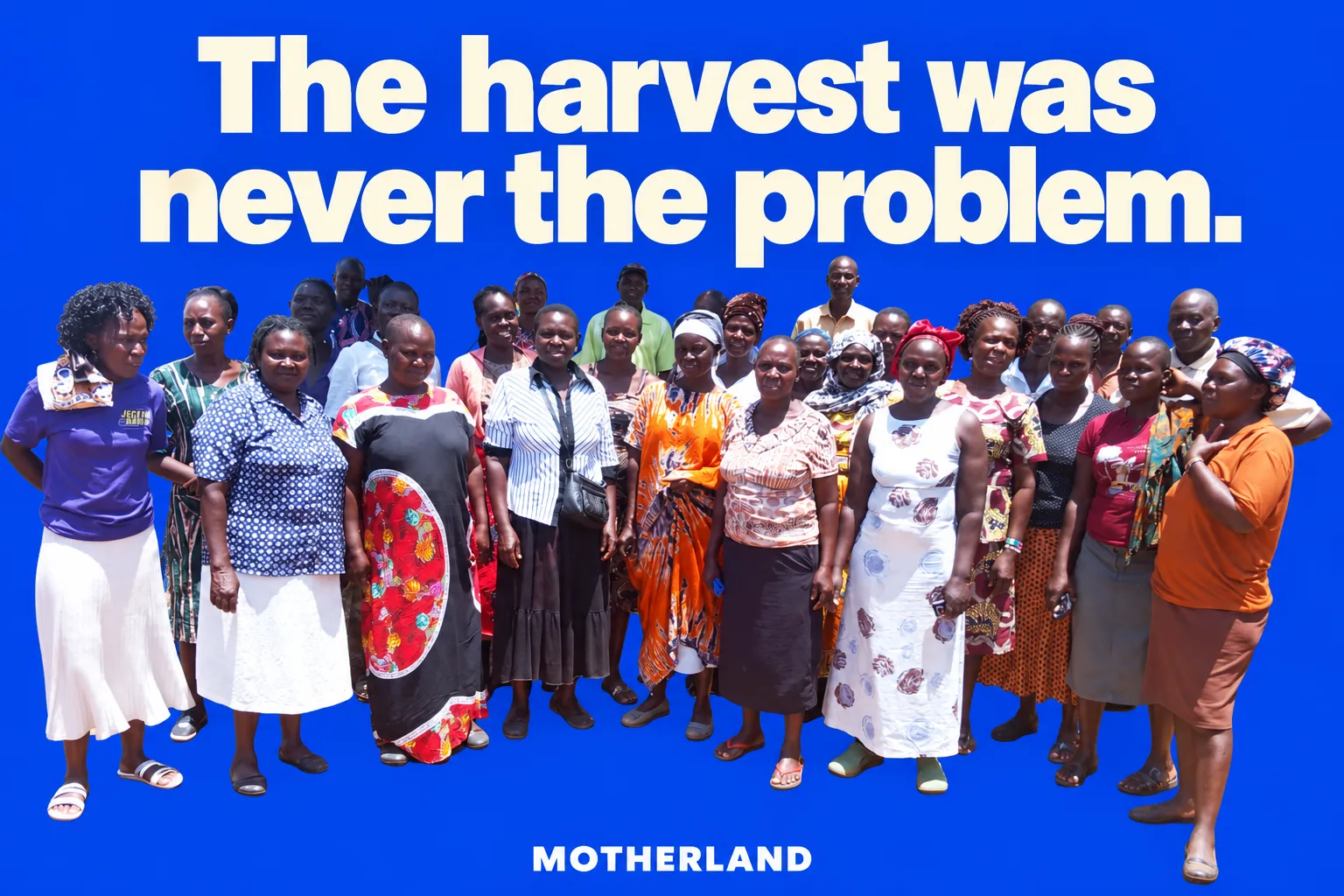
The harvest was never the problem.

A farmer in pink glasses and three young people in MOTHERLAND shirts laughing against a blue background, holding beans, sukuma, pumpkins, tomatoes and maize

Up to 37% of the harvest is lost after it is brought in. With more than 2,000 farmers in Kenya, we build the chain that keeps the value where it grows.

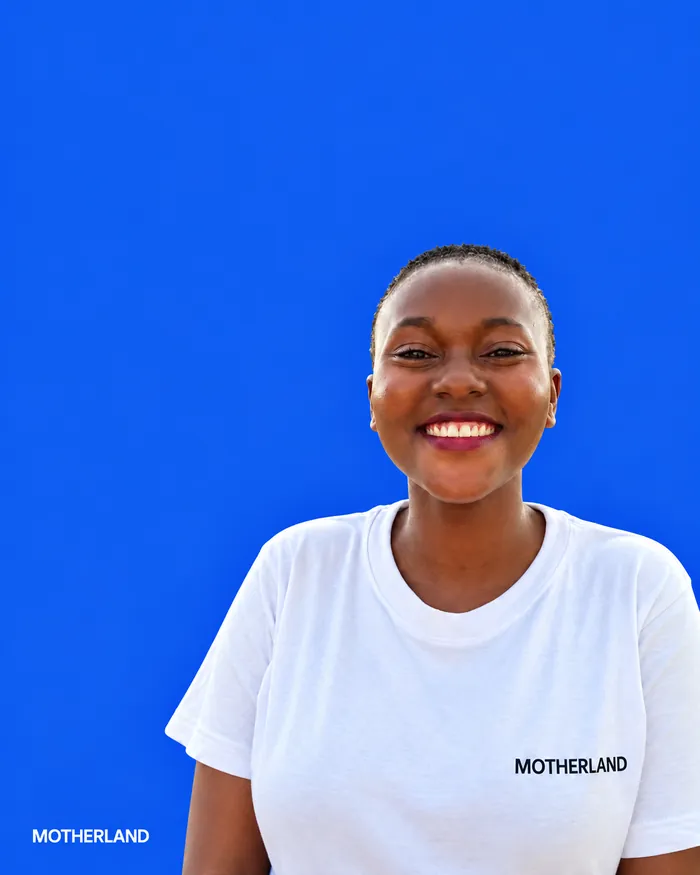
Young woman from Siaya County in a blue T-shirt, laughing

NEWSLETTER

Once a month from Siaya.

What happens in the fields, with real numbers and honestly, also when something does not work. Free, unsubscribe with one click.

You confirm by email. Privacy

WHAT THIS HAS TO DO WITH YOU

The start of the chain keeps the least. Here and there.

You eat every day. That puts you at the end of a chain. At its start is someone who grows your food and keeps the least of it.

IN GERMANY2.5 cents

of a 50-cent bread roll go to the farmer. The rest stays with the mill, the bakery and the shop.

IN SIAYA, KENYAup to 37%

of the harvest is lost after it is brought in. Over a year, that is the work from January to May.

The harvest is there. Then the chain is missing.

Three in four farms in Siaya have already lost part of a harvest. In these six places.

  1. 01 · MARKETNo fair market.

    Middlemen set the price. Only three in ten farmers know the market price before they sell.

  2. 02 · PRESSURE TO SELLNo buffer.

    Anyone who cannot store and needs cash sells right after harvest, when prices are lowest.

  3. 03 · KNOWLEDGENo advice on the ground.

    Harvested at the wrong time, damaged during harvest, not sorted. Farm advice rarely reaches the villages.

  4. 04 · DRYING & STORAGENo safe store.

    The whole harvest needs protection. Stored too damp, it goes mouldy, and pests eat their share. For maize in Kenya, the biggest loss happens in storage.

  5. 05 · TRANSPORTNo road to market.

    There are too few vehicles and passable roads. What does not arrive in time spoils or is sold off cheaply.

  6. 06 · COOLINGNo cold chain.

    Tomatoes, sukuma and other fresh produce last only a few days in the heat.

That is how part of the harvest is lost, and part of its value with it. These are the links we build ↓

Farmers’ share of bread and cereal products in Germany, 2021: 5% (Thünen Institute) · Up to 37% food loss in sub-Saharan Africa: FAO 2011 · 75% with post-harvest loss, 30% know the market price: MOTHERLAND baseline, 1,007 farms in Siaya County · Maize in Kenya 20–36% loss, most of it in storage: WRI Africa, FOLU Kenya, JKUAT 2025

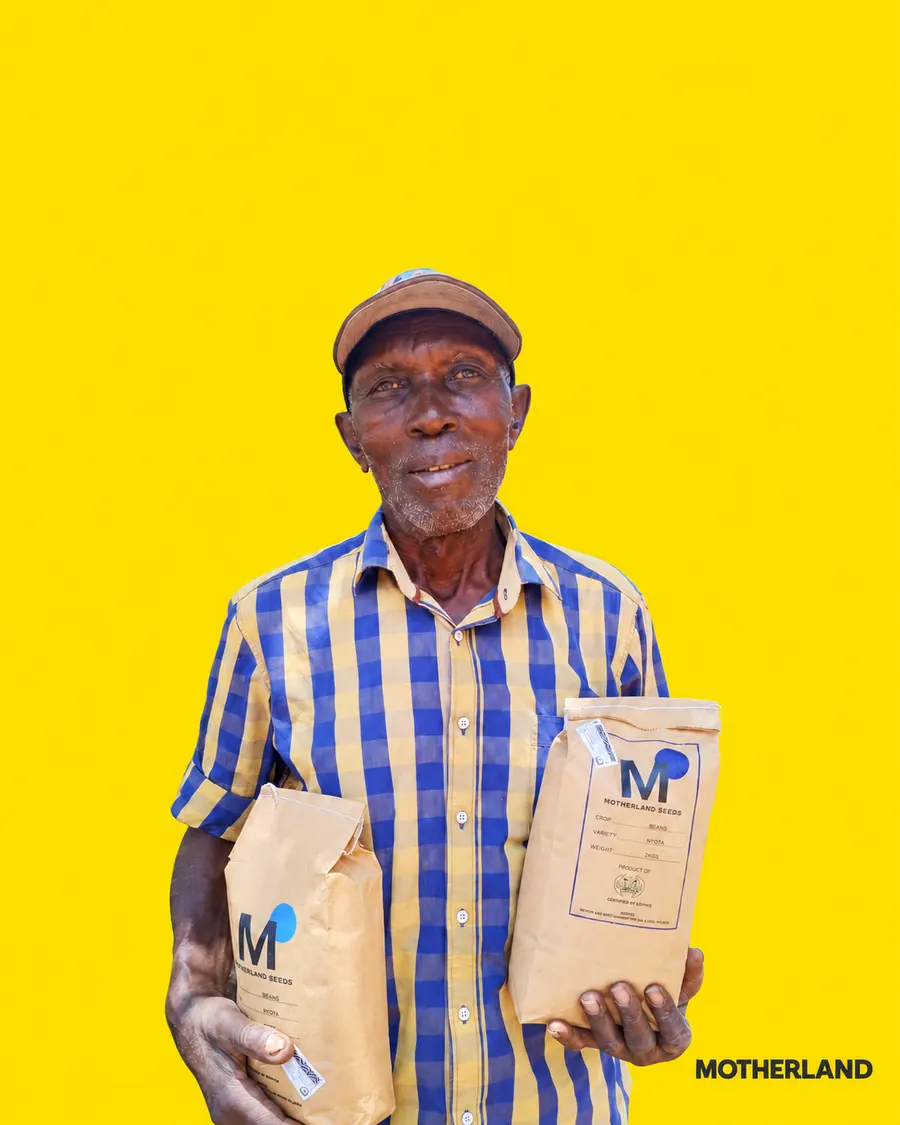
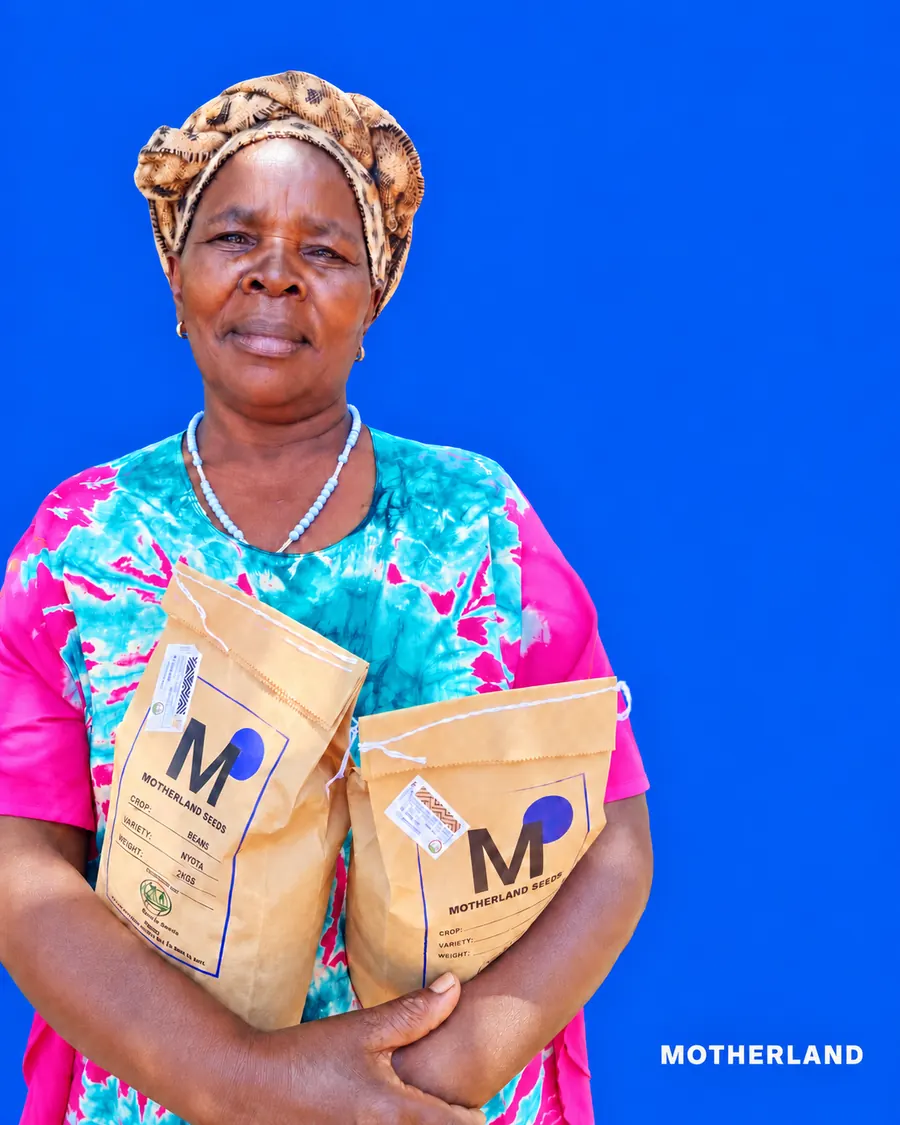
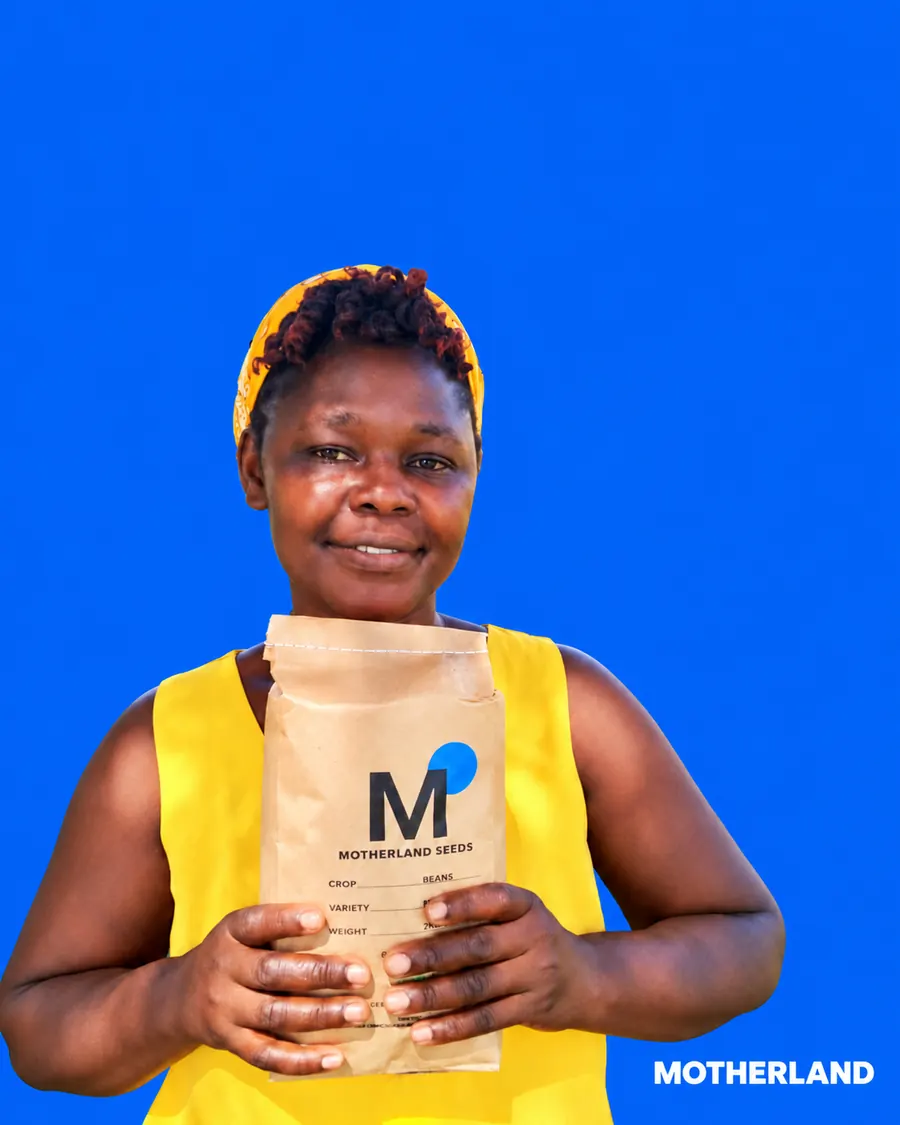
Farmer from Siaya County holding a bag of MOTHERLAND SEEDS
WHAT WE DO

From soil to market. We build the whole chain.

A good harvest alone is not enough. To turn it into income, every link has to hold: healthy soil, good seed, know-how at harvest, dry storage, transport, reliable buyers and a fair price. If one is missing, the value is lost. So we build the whole chain, together with the farmers and our partner organisation MOTHERLAND CBO.

  1. SOILLiving soil

    Compost, organic fertiliser and regenerative methods. Healthy soil holds water and carbon and yields more.

  2. SEEDSeed that comes back

    Certified seed as a loan. After harvest it flows back into the seed bank.

    72.1% returned (2025)
  3. HARVESTHarvest with know-how

    Training on timing, drying and sorting. Lima AI advises on WhatsApp in English, Swahili and Dholuo.

  4. STORAGE & TRANSPORTNothing gets lost

    Joint collection, airtight storage and logistics all the way to the buyer.

  5. MARKETReliable buyers

    We pool the harvest and bring it to committed buyers. The price is fixed before planting.

    67% more per kilo
  6. INCOMEThe value stays local

    More income for families. And part of it flows back into soil and seed.

    83.7% earn more

BACK INTO THE SOIL, SEASON AFTER SEASON

HOW WE WORK IN DETAIL →

2,000+
FARMERS IN OUR NETWORK TODAY
517
ACTIVE FARMER PARTICIPATIONS IN 2025
83.7%
OF SURVEYED FARMERS REPORT HIGHER INCOME (2025)
8,946 kg
BEANS HARVESTED IN 2025
2025 FIGURES VALIDATED IN OUR IMPACT REPORT →
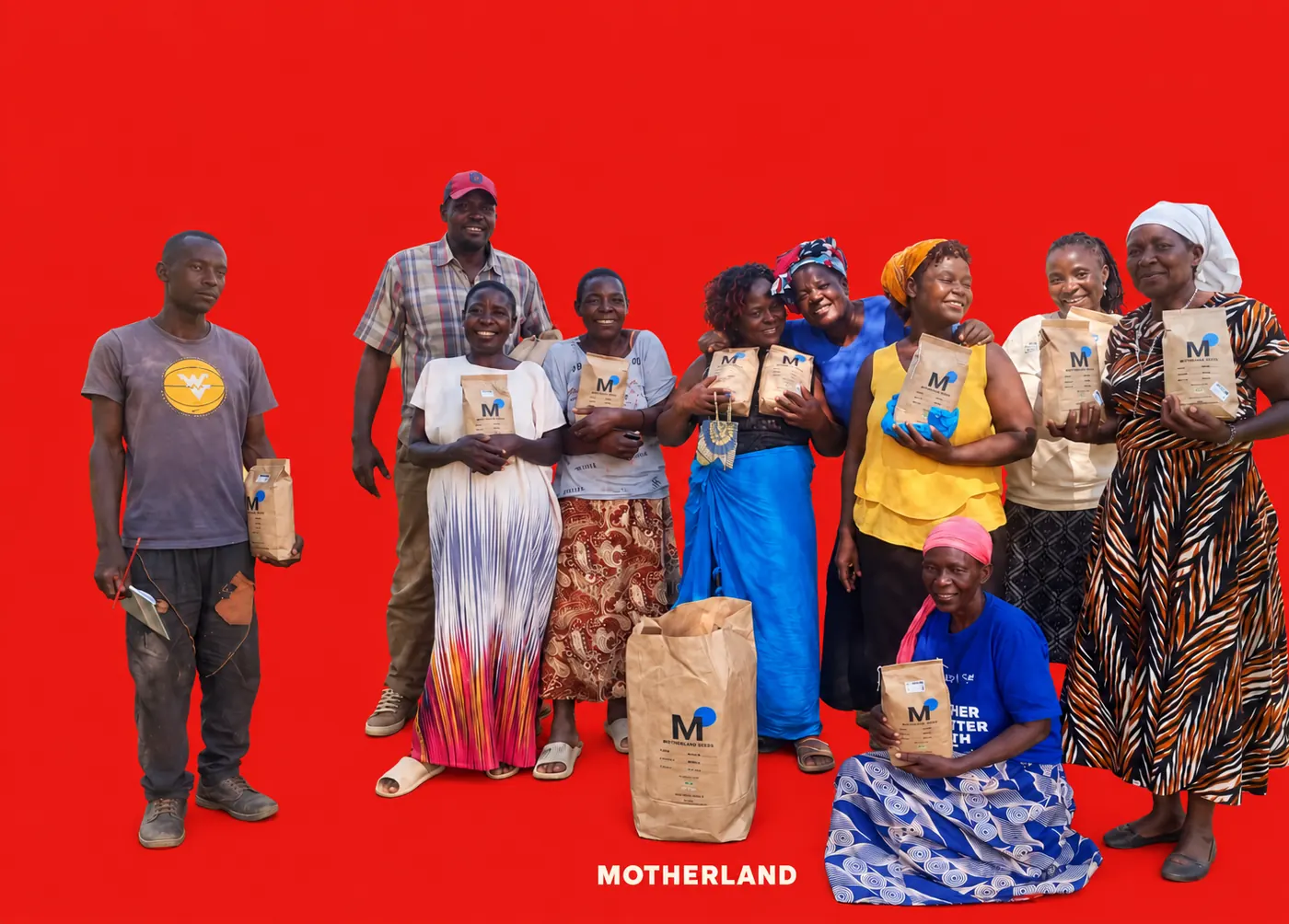
Campaign image: more than thirty farmers from Siaya against a blue background, with the line The harvest was never the problem.

SIAYA COUNTY, KENYA

Built with the farmers of Siaya.

OUR VISION

A good harvest is not enough. The value must stay where it grows.

We do not only want to change how food is produced, but who receives its value: economically independent communities in which young people see a future on their families' land.

  1. TODAY2,000+farmers
  2. 203115,000+farmers
  3. 203525,000farmers
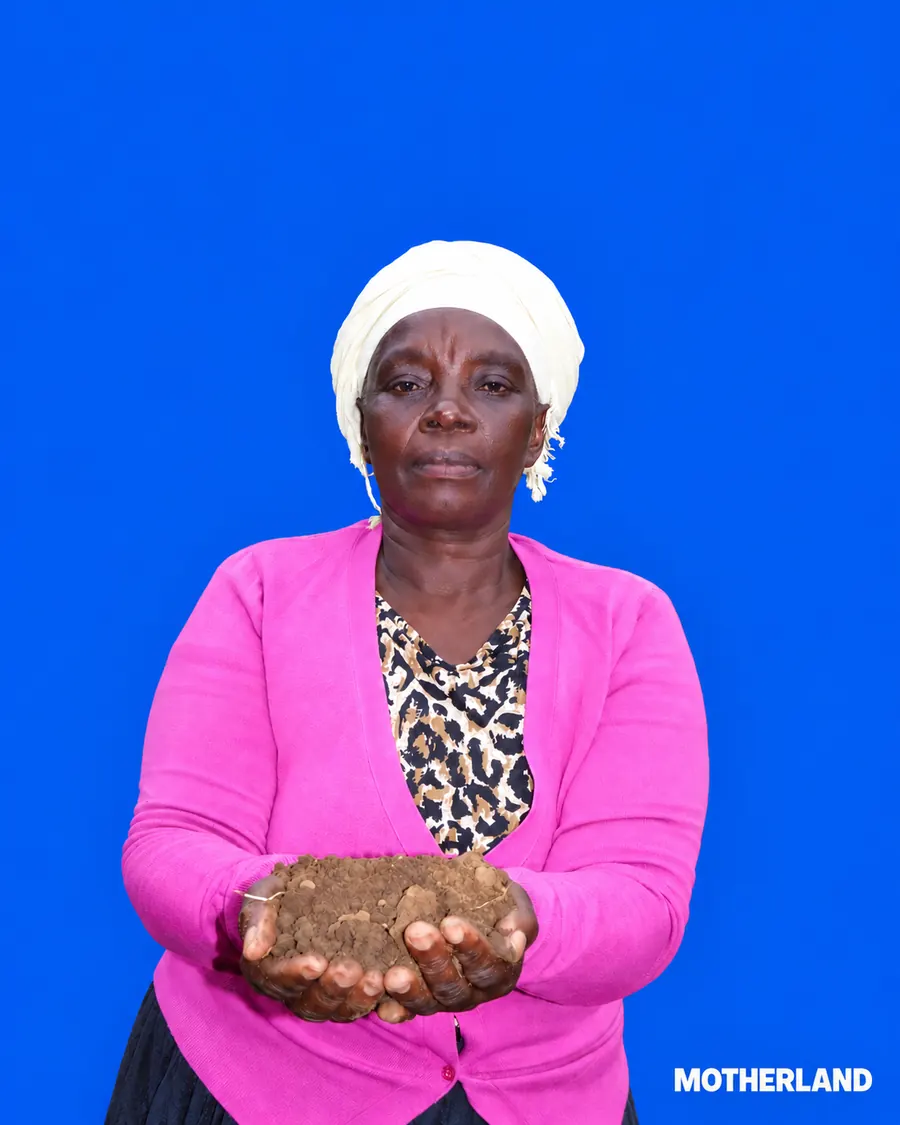
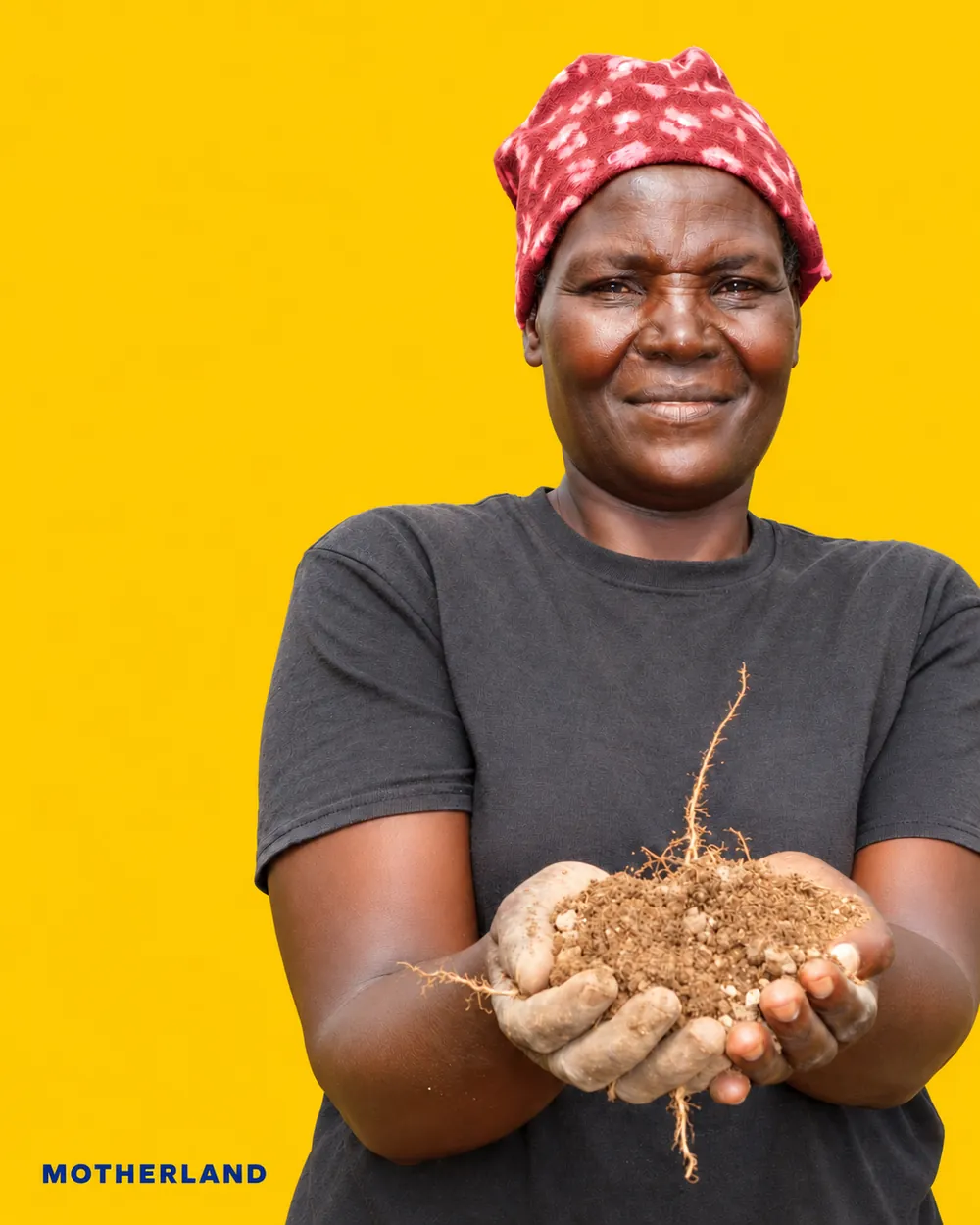
A farmer in a red headscarf holding soil with roots in both hands, on yellow

THE FIELD

The work in the field is done. From here on, it is decided whether it pays off.

How we build the chain →
A STORY FROM SIAYA COUNTY
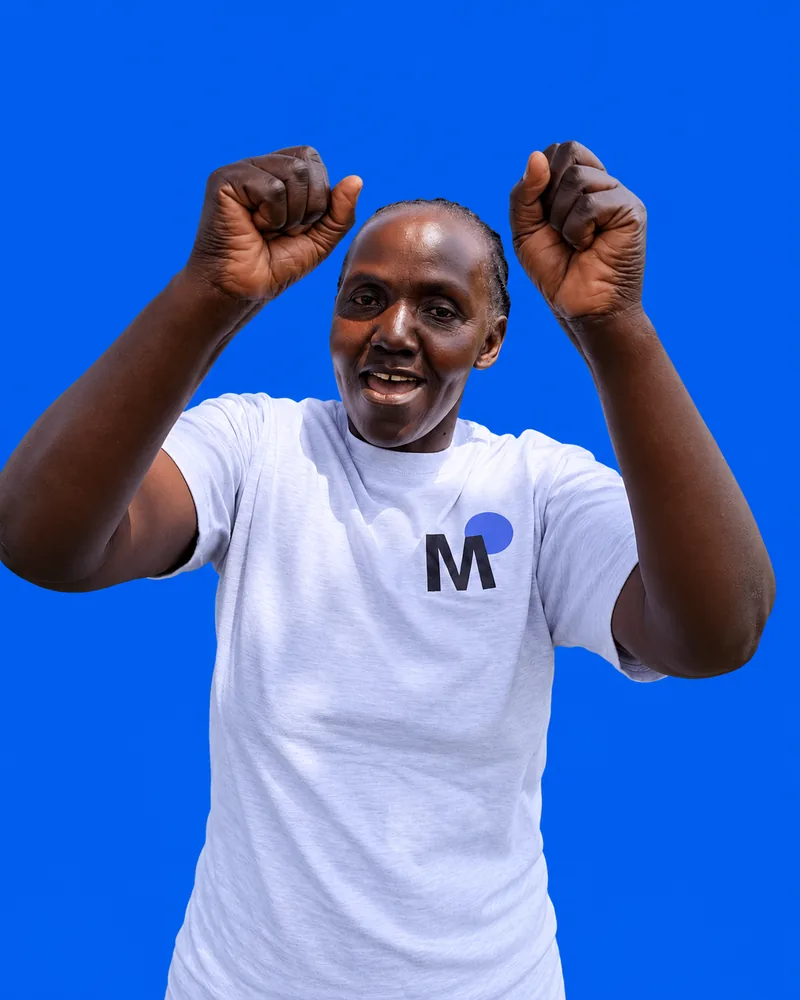
Florence Ochieng

"I have no stress about inputs, and I have no stress about the market. MOTHERLAND has given me both. Now I focus on farming and on leading the farmers around me."

270 KG
BEANS HARVESTED LAST SEASON
0.75 → 1 ACRE
LAND UNDER CULTIVATION
NOW A LEAD FARMER
ROLE IN HER COMMUNITY
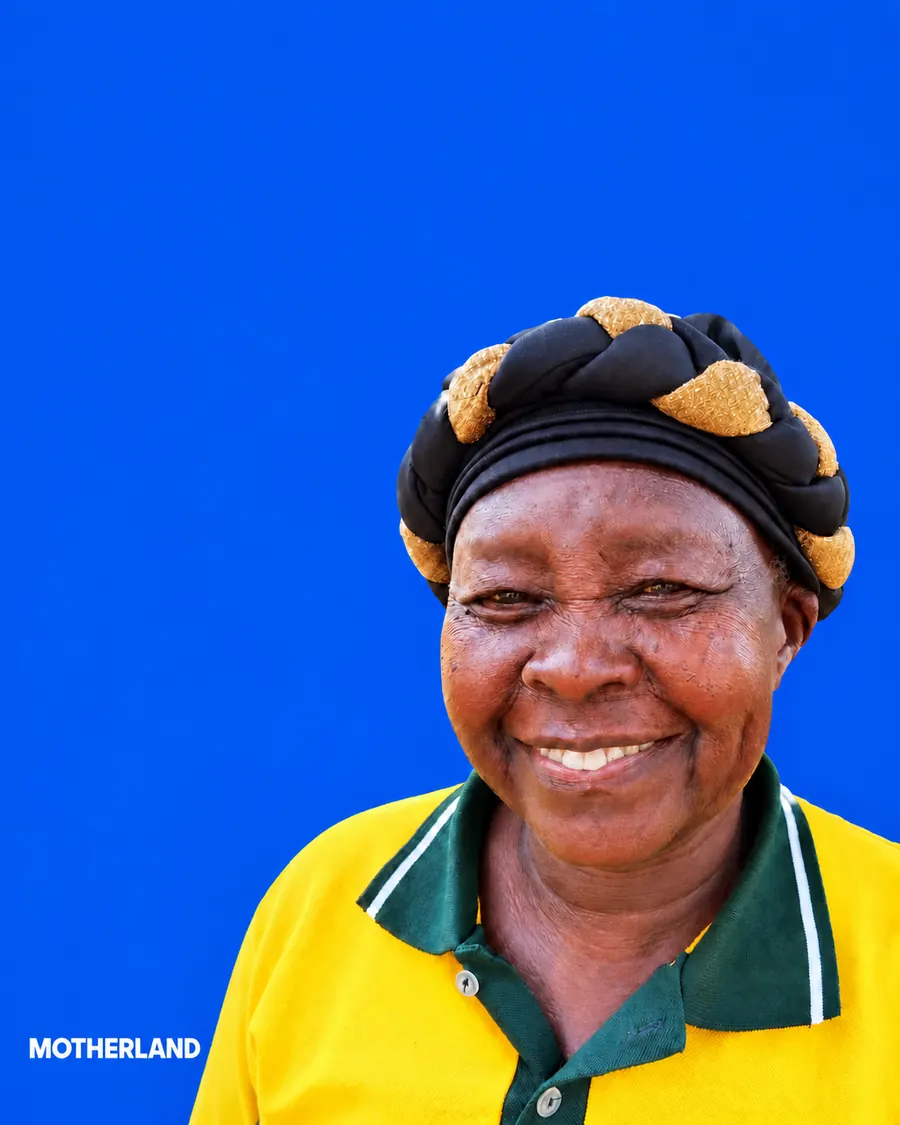
WE ARE THE SOIL WE EAT · OUR CAMPAIGN WITH THE PEOPLE OF SIAYA

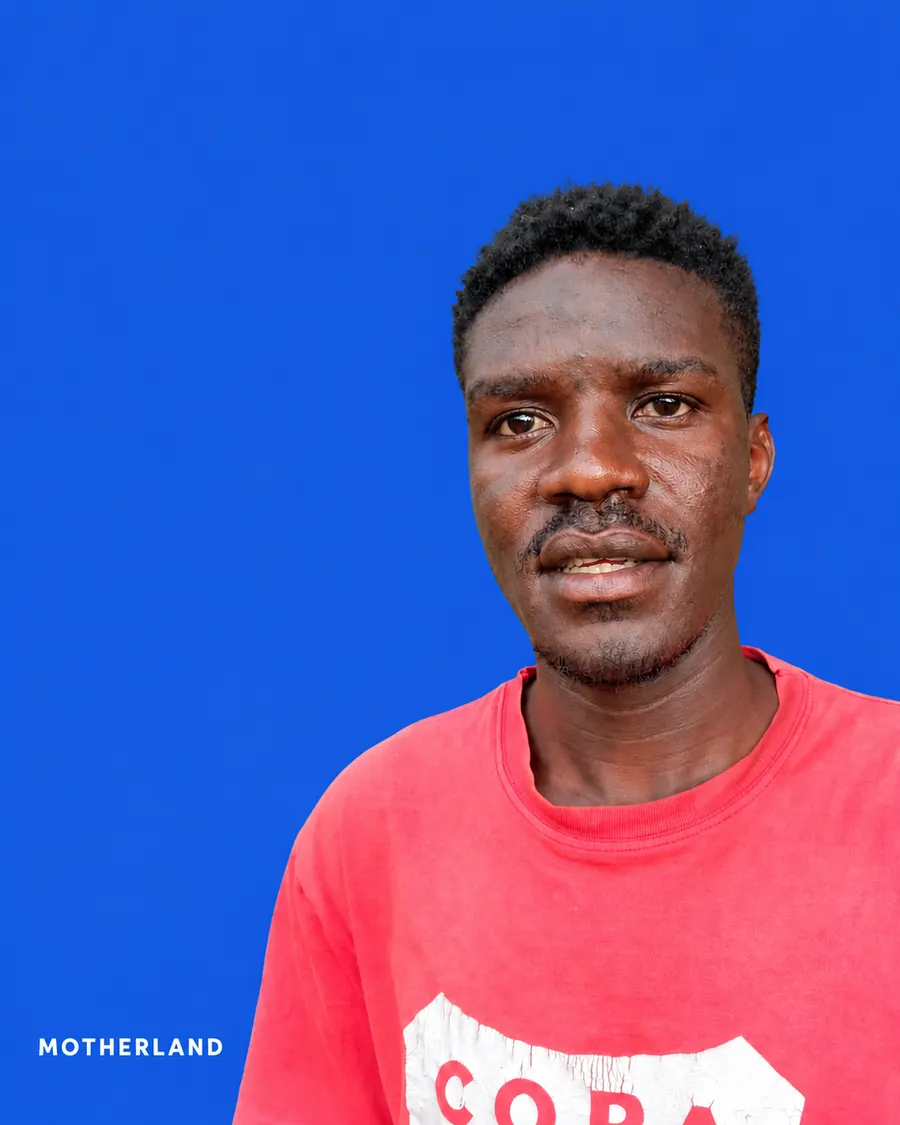
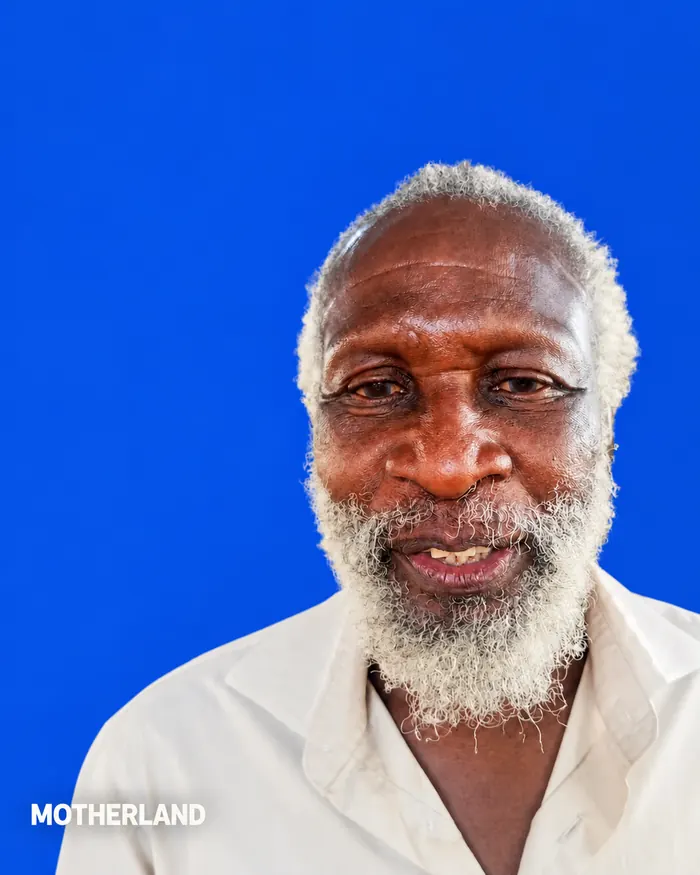
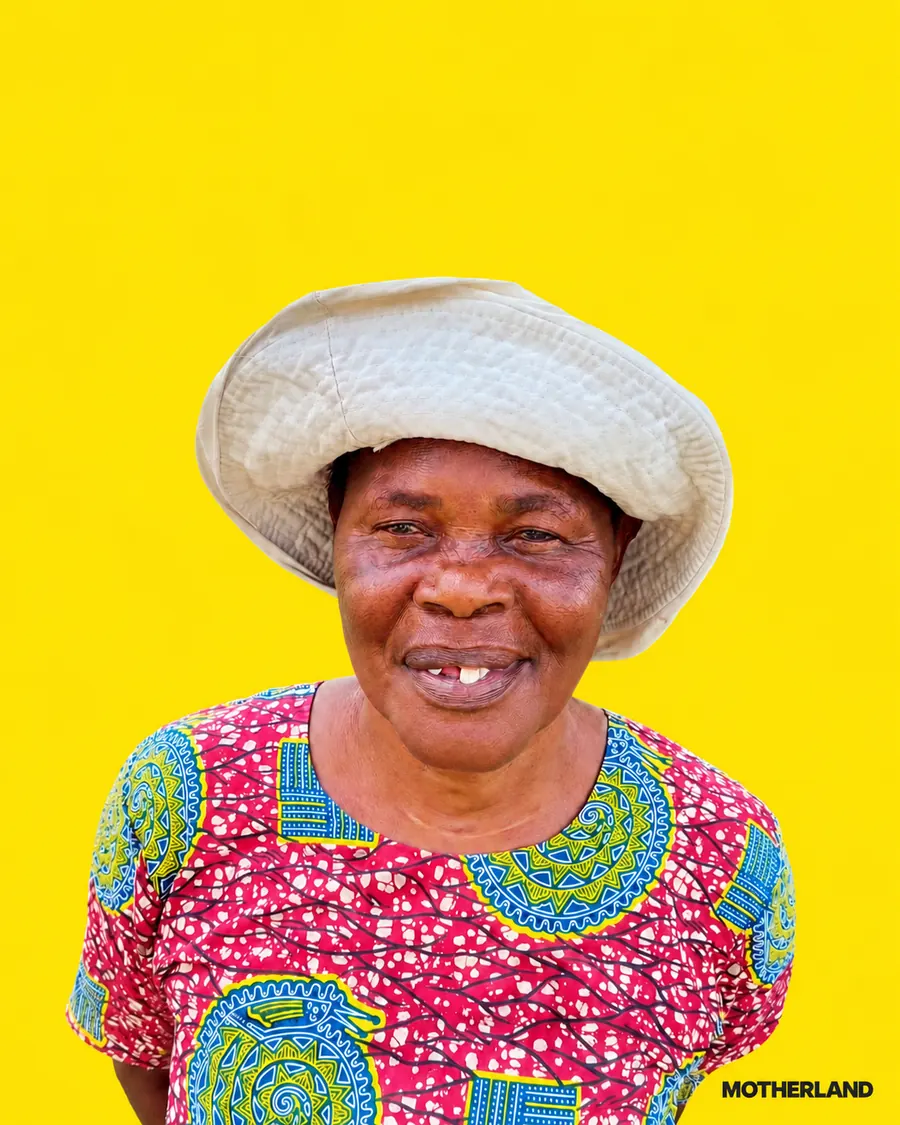
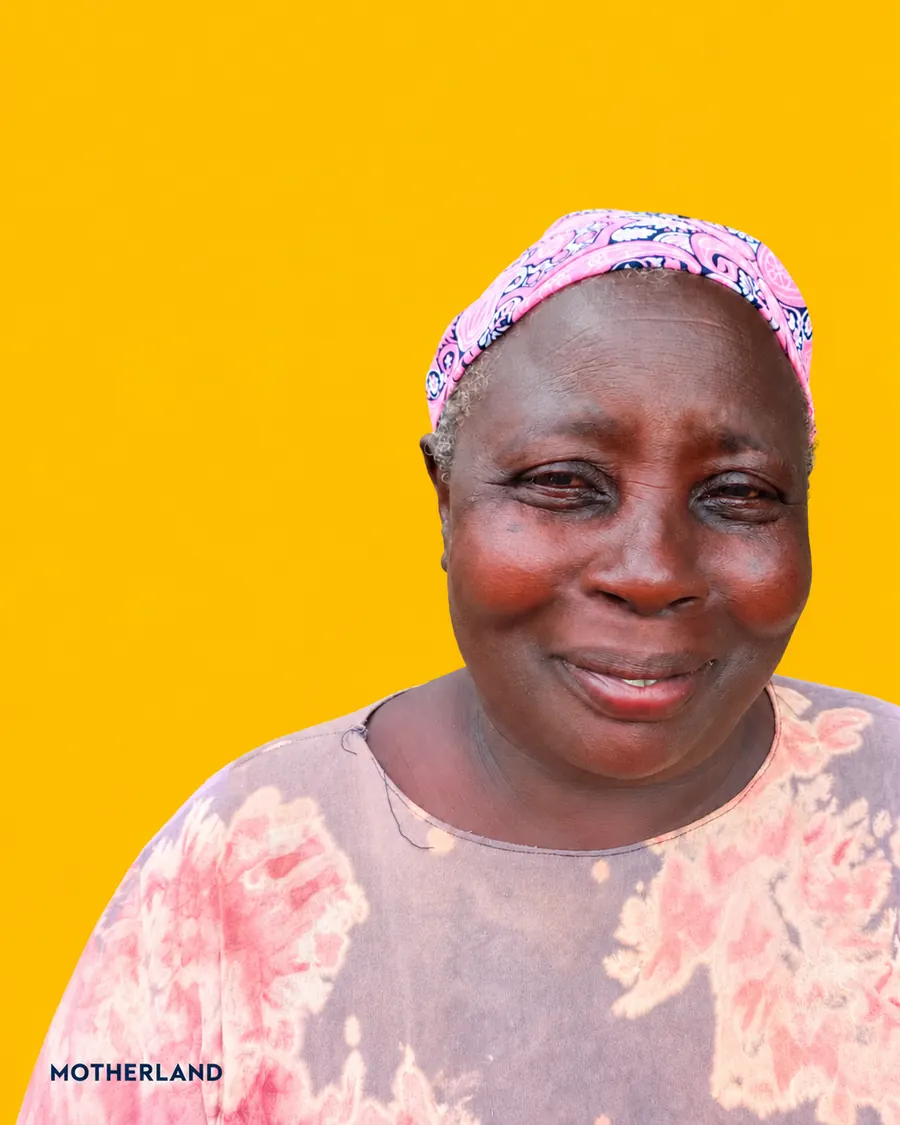
Every face here has a field.

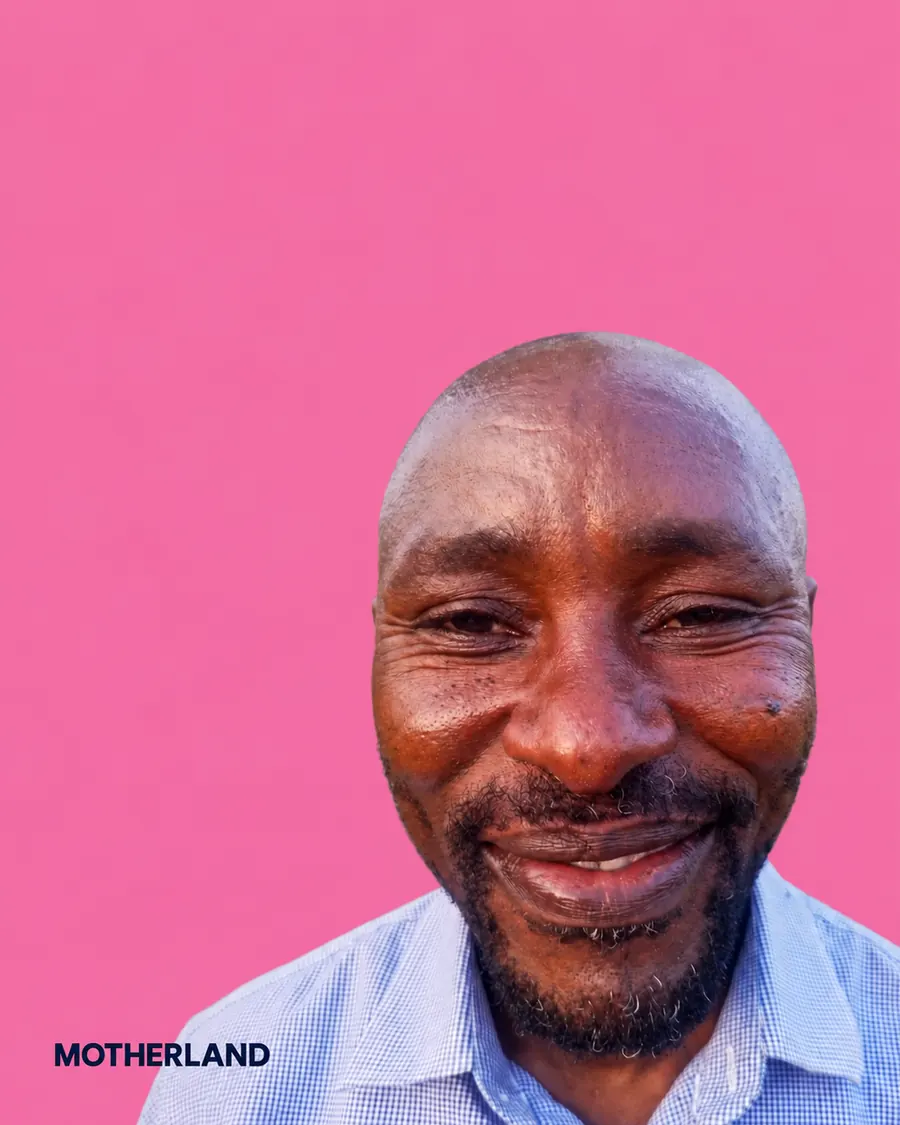
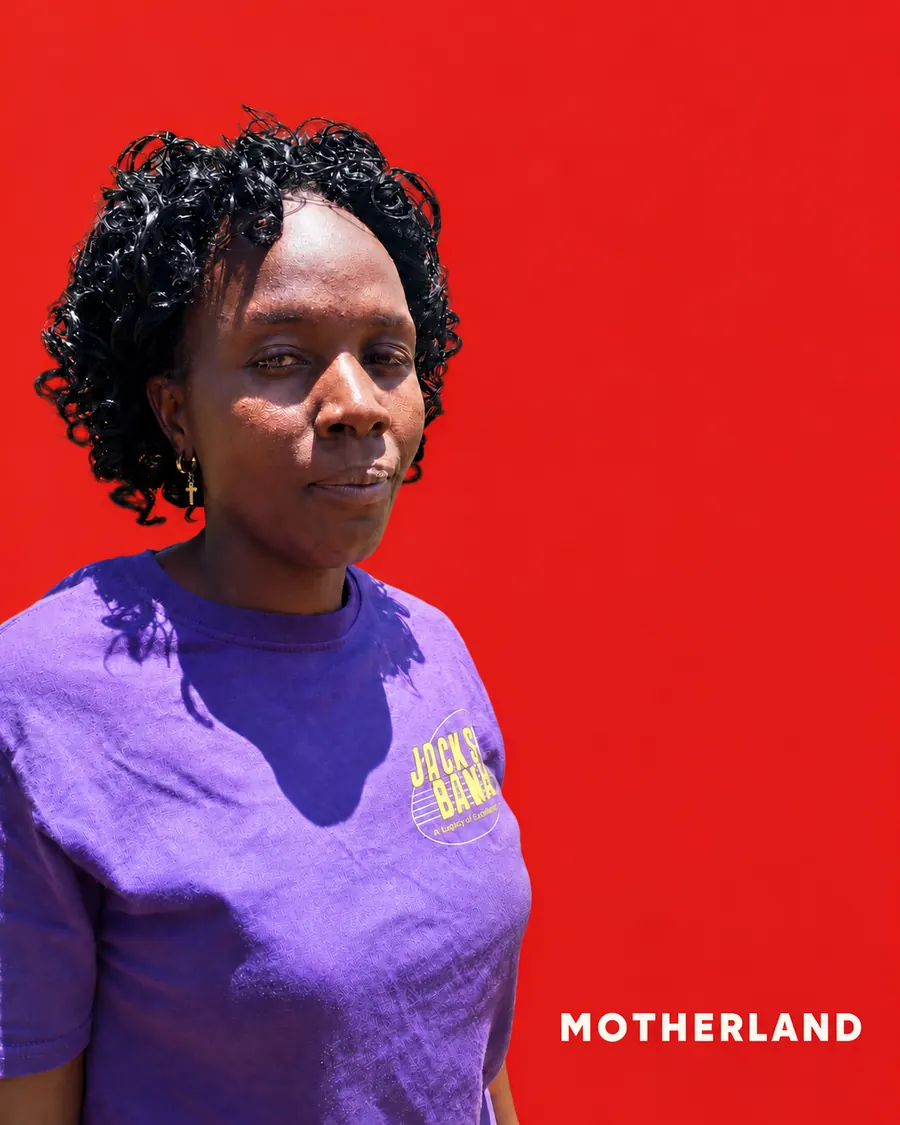
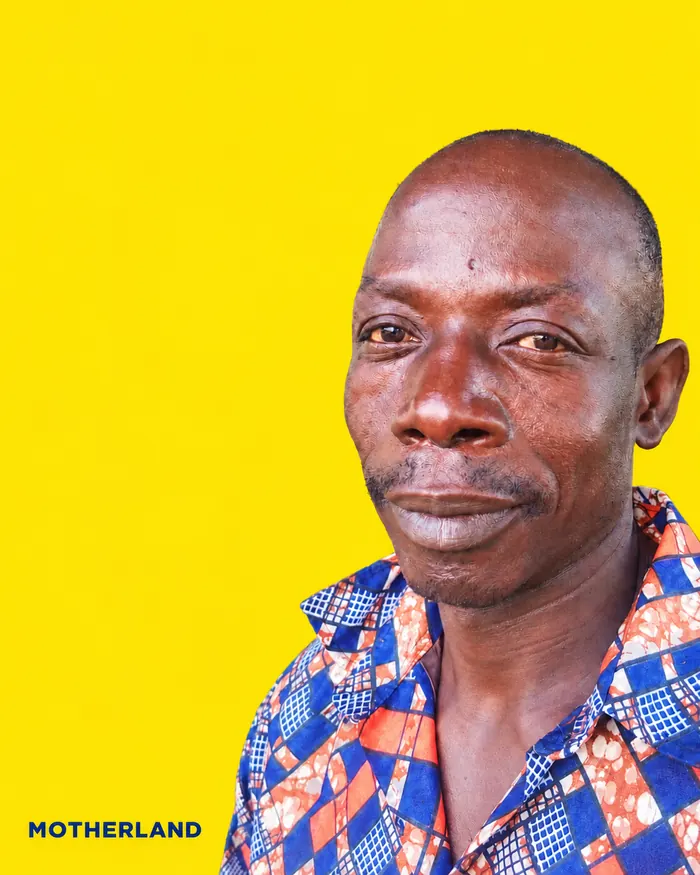
Portrait from the campaign The harvest was never the problem, Siaya County
OUR GUIDING PRINCIPLE
“Look again at that dot. That’s here. That’s home. That’s us.”
CARL SAGAN · PALE BLUE DOT

In 1990, Voyager 1 turned around six billion kilometres from the sun and photographed Earth: a tiny blue point of light. Everything we know happens on that dot.

The M in our name stands for Africa, the motherland of all of us. The small blue dot next to it is that planet. One home, shared by everyone, and there is no second one.

Everything we eat grows from its soil. And what we eat becomes who we are.

We are the soil we eat.

More about MOTHERLAND

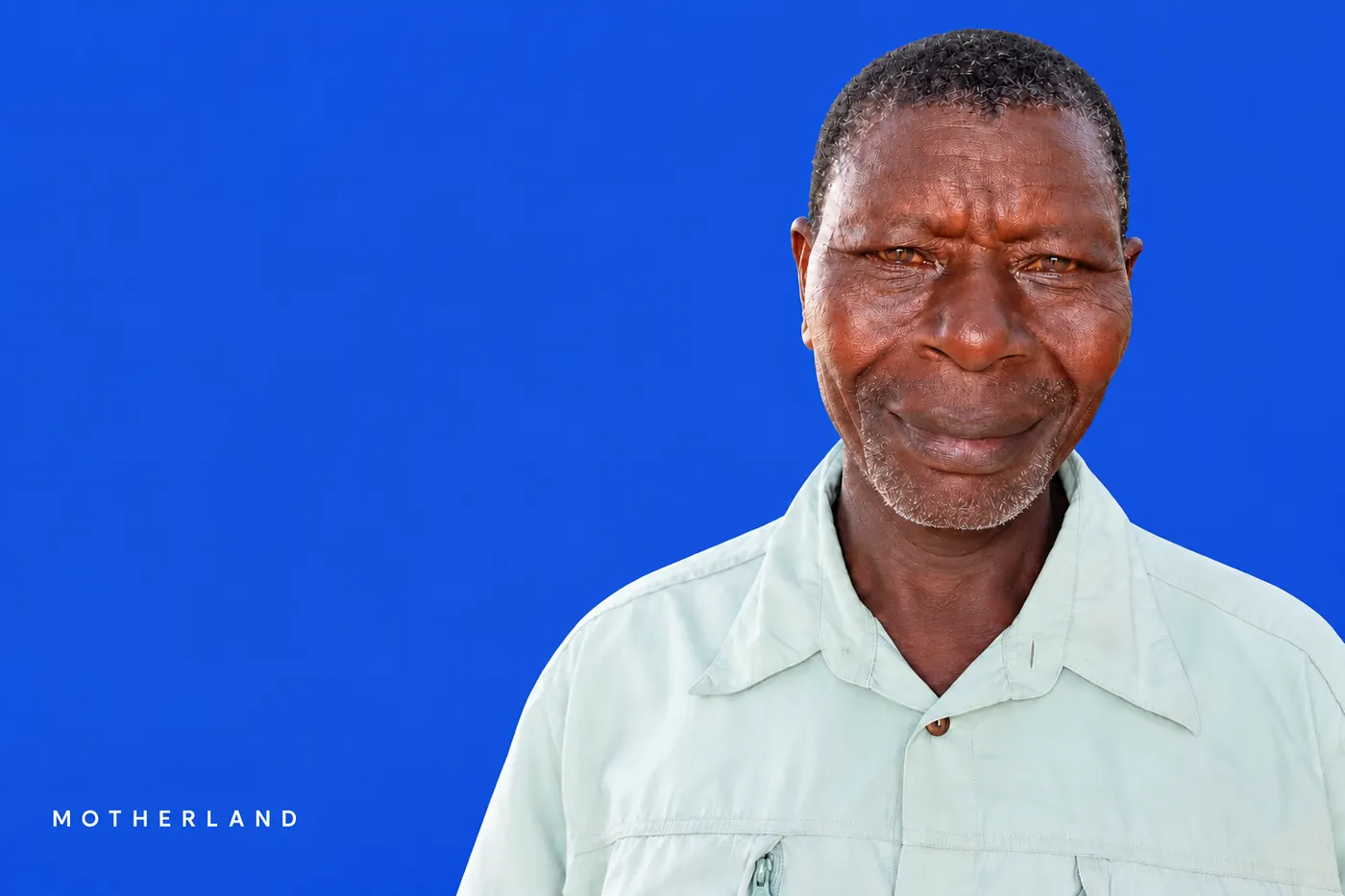
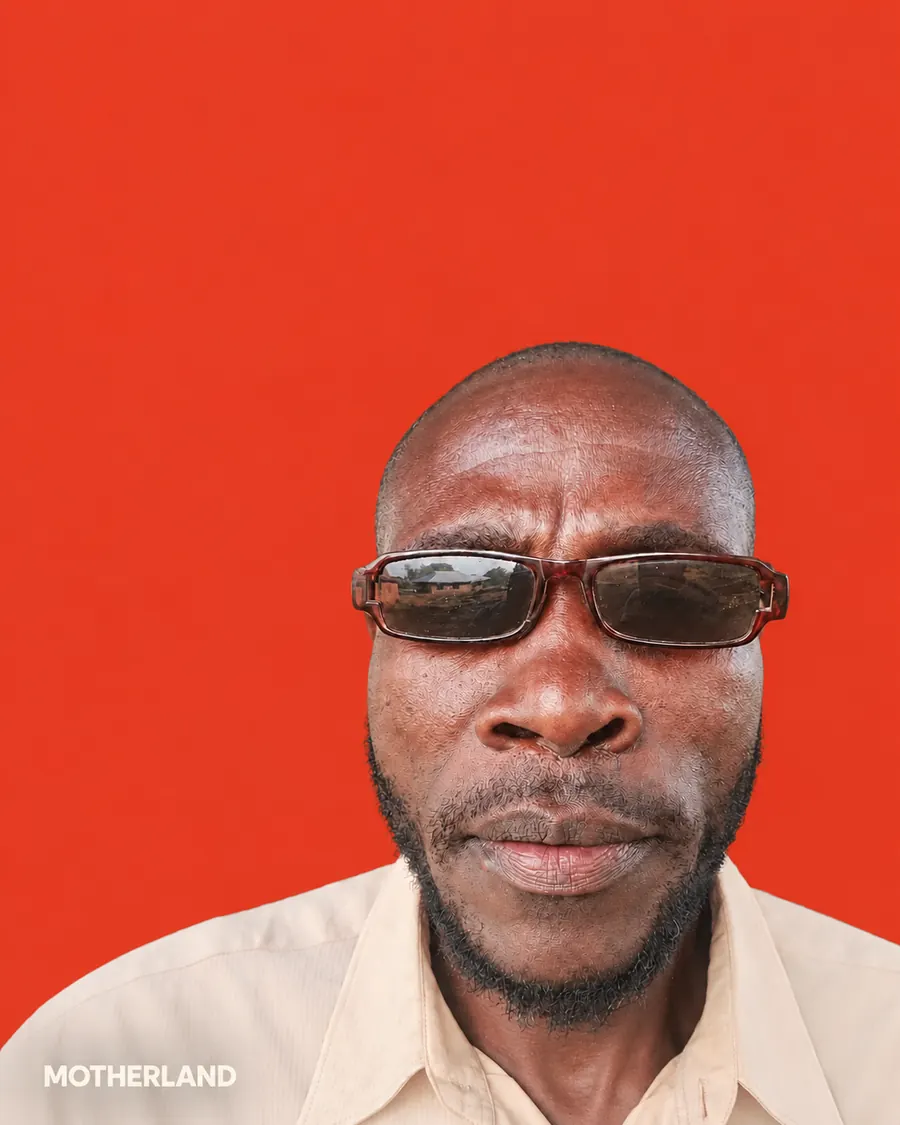
Farmer from Siaya County in a light shirt, smiling

FROM THE FIELD · OUR BLOG

Stories from Siaya.

In our blog, Diana and the team tell what happens in the field: what works, what goes wrong and what we learn.

NEW ON THE BLOGThe Map Is A Problem. It Was Simply Never The Whole Problem.DIANA BEATA KRÜGER · READ →Prefer it short? Our newsletter, once a month →All posts →
PARTNERS & SUPPORTERS

We don't work alone.
Nobody should.

We are a signatory and disclose who we are, where our money comes from and how we use it.
GIZ
Deutsche Gesellschaft für Internationale Zusammenarbeit
SAIS
Scaling Digital Agriculture Innovations through Start-ups, by GIZ
KALRO
Kenya Agricultural and Livestock Research Organization
KEPHIS
Kenya Plant Health Inspectorate Service
PEACHSTONE.AI
AI partner for Lima
RHEA SOIL HEALTH
W.P. SCHMITZ STIFTUNG
CISCO FOUNDATION
CHANCEMAKER FOUNDATION
BIOVISION
ESCP BUSINESS SCHOOL
KATAPULT AFRICA
EPROD SOLUTIONS
DUHQA
KOAN
Kenya Organic Agriculture Network
DELODI
GITA
Global Impact Tech Alliance
NORDDEUTSCHE STIFTUNG FÜR UMWELT UND ENTWICKLUNG
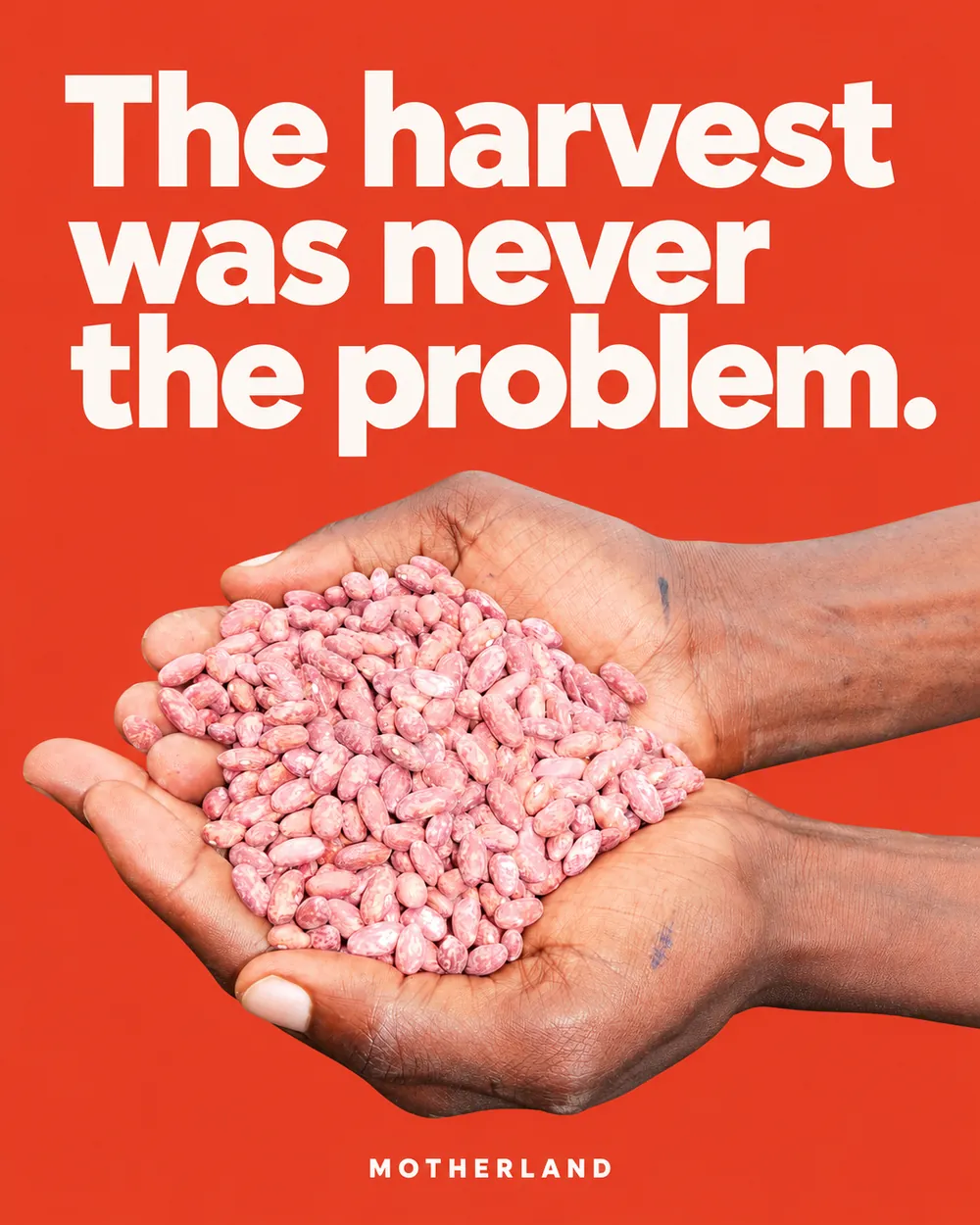
Campaign image: two hands full of beans on red, with the line The harvest was never the problem.

SEED

Every handful of beans is food, income and the next season.

Seed that comes back →